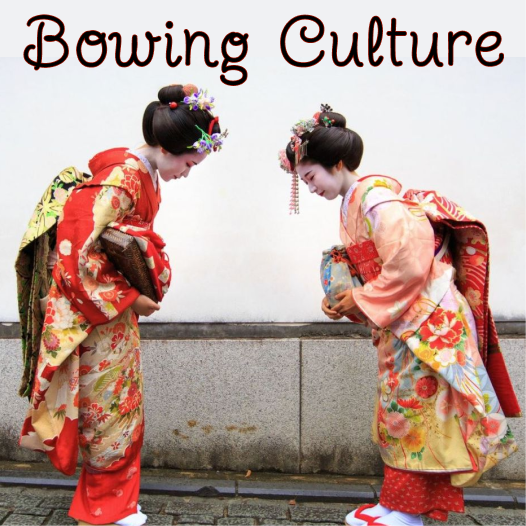
Bowing Culture
How did bowing evolve to become a universal gesture of respect?

4.4 (20)

42 mins
Explore how the simple act of lowering one’s head transformed from ancient ritual to a timeless symbol of reverence and connection. Discover how different societies infused their own meanings into bowing, from gratitude and apology to greeting and spiritual devotion.
Ep 1:
The Bow's Ancient Journey
From Buddhist temples to feudal Japan, discover how a sacred gesture became social law—and why bowing survived Westernization while revealing deep truths about trust and the body.
Ep 2:
Angles of Respect and Etiquette Blunders
Master the exact angles of Japanese bowing—from casual nods to deep apologies—while learning the cringe-worthy mistakes foreigners make and what true cultural fluency looks like.
Ep 3:
Bowing as Sacred Practice and Social Code
Explore bowing as spiritual discipline through Zen teachings and tea ceremony masters, then see how these same gestures structure hierarchy and honor in Japanese business life.
Ep 4:
Bowing Across Borders and Beyond Stereotypes
Journey through global greeting customs and diplomatic bows before confronting Western stereotypes about Japanese women—uncovering how surface gestures often hide complex inner choices.
Ep 5:
The Quiet Grace of a Bow
Beyond etiquette lies artistry—discover how bowing's angles shape martial arts, tea ceremony, and a distinctly Japanese aesthetic of graceful, intentional movement.
Discussions (12)

Clinton
Level 4 · 7 mo agoBowing is just submission

Neal
Level 3 · 7 mo agoStop the prayer hands. You are not in Thailand.

Valerius
Level 7 · 7 mo agoNope. People use prayer hands casually all the time to apologize or ask favors. It's not just for meals.